Ceramic vs Steel Kamado
A kamado can be thick ceramic or triple-wall steel, and the choice changes the price by hundreds. Ceramic holds heat harder and lasts a lifetime; steel is lighter, cheaper and heats faster. Here's how they really differ and which one fits how you cook.
Quick answer
Buy a ceramic kamado for the best heat retention and a lifetime of use — thick ceramic holds a rock-steady temperature on little fuel and won’t wear out, but it’s heavy, fragile and costs the most. Buy a steel kamado to try the shape for a fraction of the price— triple-wall steel is lighter, heats faster and won’t crack, but holds heat a little less steadily and wears faster. Ceramic to keep forever; steel to test the format affordably.
How this is funded: we earn a commission if you buy through our links, at no extra cost to you. It never changes which product we recommend, and we’ll tell you when we’d skip one, or point you to a cheaper option when it’s the better buy. Full disclosure.
| Spec | 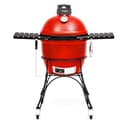 | 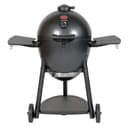 |
|---|---|---|
| Cooking area | 256 sq in (18 in) | 447 sq in (total) |
| Temp range | 225-750°F+ | 200-700°F |
| Weight | 188 lb | 100 lb |
| Price | $1,499.00 · View on Amazon Price as of September 21, 2026. #ad How we’re funded | $399.99 · View on Amazon Price as of September 21, 2026. #ad How we’re funded |
The short version
A kamado is the egg-shaped charcoal cooker that smokes, roasts, bakes and sears from one fuel-efficient body — and that body comes in two materials. Ceramic kamados like the Kamado Joe Classic use a thick glazed ceramic shell; steelkamados like the Char-Griller AKORN use a triple-wall insulated steel shell. Both cook the kamado way — efficient, versatile, temperature-stable — but the material changes heat retention, weight, durability, heat-up speed and, most of all, price. The ceramic is the buy-it-for-life cooker; the steel is the affordable way to find out whether the kamado shape is for you.
Heat retention
Ceramic wins. Thick ceramic — around 1.25 inches on a Kamado Joe — stores an enormous amount of heat and radiates it back slowly and evenly, which is why a ceramic kamado holds a target temperature rock-steady for many hours on a small load of charcoal. Triple-wall steel insulates well for metal and holds heat far better than a thin grill, but it can’t match ceramic’s thermal mass: a steel kamado responds a little faster to weather and drifts a bit more, so it needs slightly more attention on a long low-and-slow cook. For the steadiest possible temperature and the longest unattended holds, ceramic is the better tool.
Weight and durability
This is a genuine trade, not a clear win. Ceramic is heavy — a Classic II is roughly 188 lb — and it’s fragile: drop the lid or knock it hard and ceramic can crack or chip, and thermal shock (a sudden big temperature swing) can damage it. Steel is far lighter (the AKORN is around 100 lb), it won’t crack if you bump it, and it’s easier to move. The flip side: ceramic essentially doesn’t wear out and often carries a long or lifetime warranty on the ceramic parts, while a steel kamado’s powder-coat finish and gaskets wear faster over years of use. Ceramic lasts longer but must be treated with care; steel is more forgiving day to day but ages sooner.
Heat-up speed
Steel wins. With less thermal mass to bring up to temperature, a steel kamado reaches your cooking heat noticeably faster than ceramic, which has to soak all that mass before it stabilizes. If you want to fire up quickly for a weeknight cook, the steel kamado’s faster start is a real convenience. The same low mass is why it cools and drifts faster too — the speed cuts both ways.
Price
This is the headline. A steel kamado costs a fraction of a comparable ceramic — often a quarter to a third of the price — which makes it the obvious way to try the kamado format without a big commitment. If you love it, you can always step up to ceramic later; if the shape isn’t for you, you haven’t spent ceramic money to find out. Ceramic is the premium buy that rewards you with heat retention and longevity that justify the cost over many years.
A note on cooking area
Don’t read the raw area numbers as a simple win for steel. The AKORN’s 447 sq in is a totalfigure that includes a secondary rack, with about 314 sq in of primary grate, while the Kamado Joe’s 256 sq in is its 18-inch primary grate (also expandable with the Divide & Conquer system). The two are closer in usable primary space than the headline numbers suggest, and both are family-sized. Cooking area shouldn’t be the deciding factor between them; material is.
Ceramic vs steel at a glance
| Dimension | Ceramic kamado | Steel kamado |
|---|---|---|
| Heat retention | Best; rock-steady for hours | Good for metal; drifts a bit more |
| Weight | Heavy (~188 lb); site it once | Lighter (~100 lb); movable |
| Durability | Lasts a lifetime, but can crack | Won’t crack; finish wears sooner |
| Heat-up speed | Slower; soaks the mass | Faster to temperature |
| Price | Premium | A fraction of ceramic |
| Best for | Buy-it-for-life performance | Trying the shape affordably |
Which should you buy?
Buy ceramicif you want the best heat retention, the steadiest long cooks and a cooker that lasts decades, and you’re ready to spend more and site a heavy, fragile grill carefully. The Kamado Joe Classic is our benchmark there — see the best kamado grills roundup, and if you’re deciding between Kamado Joe trims, read Classic II vs III. Buy steel if you want to try the kamado format for a fraction of the money, value the lighter weight and faster startup, and don’t mind a little more temperature attention and faster finish wear. It’s the low-risk way in — and a genuinely good cooker in its own right. New to the format? Read how to use a kamado grill before your first cook.
Frequently asked questions
Is a ceramic or steel kamado better?
Neither is strictly better — they trade differently. A ceramic kamado holds heat harder and steadier, cooks the longest unattended, and lasts a lifetime, but it's heavy, can crack, and costs the most. A steel kamado is lighter, heats up faster, won't crack, and costs a fraction as much, but holds heat a little less steadily and its finish wears sooner. Choose ceramic for buy-it-for-life performance, steel to try the format affordably.
Do steel kamados hold heat as well as ceramic?
Not quite. Triple-wall insulated steel holds heat far better than a thin grill and cooks the kamado way, but it can't match the thermal mass of thick ceramic, which stores and radiates heat more slowly and evenly. In practice a steel kamado drifts a bit more and needs slightly more attention on long low-and-slow cooks, while a ceramic kamado holds a rock-steady temperature for hours on little fuel. For the steadiest long holds, ceramic wins.
Can a ceramic kamado crack?
Yes. Ceramic is durable and often carries a long or lifetime warranty on the ceramic parts, but it's also fragile: a hard knock or a dropped lid can chip or crack it, and thermal shock — a sudden large temperature swing, like adding cold food or water to a very hot grill — can damage the ceramic. Site it where it won't get bumped, handle the lid with care, and avoid extreme rapid temperature changes. A steel kamado won't crack, which is part of its appeal.
Is a steel kamado worth buying?
Yes, for the right buyer. A steel kamado like the Char-Griller AKORN gives you genuine kamado cooking — efficient, versatile, temperature-stable — for a quarter to a third of a ceramic's price, plus lighter weight and faster startup. It's the low-risk way to find out whether the kamado shape suits you, and a good cooker on its own. If you fall for the format, you can step up to ceramic later; if you don't, you haven't spent ceramic money to learn that.
Why are ceramic kamados so expensive?
You're paying for the material and what it does. Thick glazed ceramic is costly to manufacture and ship (it's heavy and fragile), and it delivers the kamado's signature strengths — outstanding heat retention, even radiant heat, fuel efficiency and decades of life — better than any other material. Premium ceramic kamados also bundle high-end hardware (hinges, precision vents, flexible rack systems) and long warranties. The steel kamado is the budget alternative that keeps most of the cooking benefits for far less.
Keep reading
Best Kamado Grills
Ceramic and steel kamados ranked on cooking area, heat retention and price.
See the roundup →How to Use a Kamado Grill
Light it, set the vents, and hold anything from a 225°F smoke to a 700°F sear.
Read the guide →Kamado vs Pellet Grill
One cooker that sears and smokes on charcoal, or a set-and-forget wood-pellet grill — which fits your cooking.
Compare them →