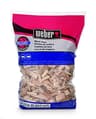
Matching the wood to the meat
The whole skill is calibrating intensity against the cut and the clock. Overwhelm a delicate protein and all you taste is smoke; under-smoke a brisket over twelve hours and the wood contributed nothing but cost. This is the short version.
| Wood | Strength | Suits | Watch out for |
|---|
| Apple | Mild, sweet | Chicken, turkey, pork loin, fish, vegetables | Gets lost under a heavy rub or a long beef cook |
| Cherry | Mild, fruity | Poultry, pork, anything you want darker | Puts a deep red-brown color on skin, which reads as “burnt” to some people |
| Maple / alder | Mild | Poultry, fish, pork | Rarely stocked as chunks outside specialist boxes |
| Oak / post oak | Medium | Brisket, beef ribs, lamb, and anything at all | Nothing much — this is the default answer |
| Pecan | Medium, nutty | Pork, poultry, a softer stand-in for hickory | Can turn slightly bitter if you pile it on |
| Hickory | Assertive | Pork shoulder, ribs, beef ribs, bacon | Bullies chicken and fish over a long cook |
| Mesquite | Very assertive | Beef, short high-heat cooks, Texas-style direct grilling | Turns harsh over a long smoke — it is really a grilling wood |
If you only ever buy one bag, buy oak. It is the base wood of Central Texas barbecue for the same reason it is the base wood of most pellet blends: it is steady, clean and does not shout, so it works on a brisket and it does not ruin a chicken. Everything else on that list is a flavor you add once you know what you want to change.
Chunks, chips or splits — match the format to the cooker
- Charcoal kettle or drum: chunks. Bank your coals, drop two or three chunks on the lit edge, and cook on the cool side. The method is in how to use a charcoal grill.
- Kamado:chunks, buried in the lump. A ceramic runs at very low airflow, so a couple of chunks mixed into the fuel load will feed smoke gently for hours. Do not try to run one on wood alone — lump charcoal is the fuel, and the chunks are the seasoning.
- Gas grill: chips, in a smoker box or a foil packet with holes punched in it, set directly over a lit burner. Chunks will sit there and never catch.
- Offset smoker:splits, over a lump charcoal coal bed. An offset is a stick burner and bagged chunks are not a realistic fuel supply for one — that is exactly why our offset smoker kit list tells you to find a local seasoned-hardwood source. The mini splits below exist for the case where you genuinely cannot.
- Pellet grill: none of this. A pellet grill meters compressed sawdust through an auger and cannot burn a chunk; a few models add a separate wood-chunk box, and everyone else should read best wood pellets for smoking instead.
Dry wood is most of the answer
The difference between smoke that tastes good and smoke that tastes like a bonfire is mostly water. Wet or green wood does not burn, it smolders: the fire spends its energy boiling off moisture instead of combusting the wood, and what comes off is a thick, white, particulate-heavy smoke loaded with the compounds that make food bitter. The EPA puts the threshold at less than 20 percent moisture and recommends seasoning wood for at least six months to get there. Kiln drying does the same job in days and to a documented standard, which is why it is worth paying for when a maker actually states it.
You can judge this without a meter. Properly dry wood is darker at the ends, lighter in the hand than it looks, and rings hollow when two pieces are knocked together; wet wood thuds, feels heavy and often shows sap or mold. And the cook itself tells you immediately: you want thin blue smoke, nearly invisible, drifting out of the vent. Billowing white smoke means the wood is wet, the fire is starved of air, or both — and the fix is more airflow and drier wood, never more wood.
Store it like firewood, not like groceries. Off the ground, under cover, with air moving around it. A bag of chunks left open on a damp patio floor for a month is a bag of bad smoke.
What never to burn
This is the one part of the page that is a safety matter rather than a taste preference, and the EPA’s list is the one to follow. Never cook over coated, painted or pressure-treated wood, plywood, particle board or anything with glue in it, ocean driftwood, or wood that is wet, rotted, diseased or moldy. Pallet wood is a common and genuinely bad idea for exactly these reasons: you usually cannot tell what it was treated with. Softwoods — pine, fir, spruce, cedar outside of a plank — are their own problem, resinous enough to coat food in soot. If it was not sold as cooking wood, do not put it in a cooker.
How to use it, in four lines
- Two or three chunks, not a pile. You are seasoning the cook, not fueling it. More wood does not deepen the flavor past a point; it just makes the smoke dirtier.
- Put wood on an established fire. Chunks dropped on coals that are already lit and settled will catch and smolder cleanly. Chunks buried in unlit charcoal at the start smolder wet and sour.
- Soaking is optional and mostly does nothing.B&B publish both a wet method (soak 30 minutes, then place on the hottest part of the fire) and a dry one; Camerons say theirs need no pre-soaking at all. Water on the outside of a chunk delays ignition while it boils off — it does not create more smoke.
- Wait for the smoke to clean up before the meat goes on. The first few minutes after adding wood are the dirtiest. Give it a moment and put the food in thin blue smoke, not white.
How to choose
- Buy for the cooker first, the flavor second. Chips for a gas grill, chunks for charcoal and ceramic, splits for a firebox. Getting this wrong wastes the whole bag.
- Match wood strength to cook length. Long cook, restrained wood. Short cook, you can afford something louder.
- Start milder than you think. You can always add a chunk next time. You cannot take smoke back out of a brisket.
- Prefer a maker that publishes a weight. Volume-only labeling is the norm here, so the bags that print both numbers are the only ones you can price-compare honestly.
- Pay for a drying claim you can check.“Kiln dried” and “USDA certified kiln dried” mean something. “Seasoned” on a bag means whatever the seller wants it to.
Once the wood is sorted, the next variable is the fire under it. If you are cooking on charcoal, best lump charcoal covers the fuel that carries the heat, and how to smoke a brisket puts the whole thing together on a long cook. If you are still choosing a cooker, start at best charcoal grills or best offset smokers.