Weber Spirit vs Genesis
Weber's mainstream three-burner against its heavier premium three-burner. Both share the same DNA — a Sear Zone, porcelain cast-iron grates and Weber's parts network — so the real question is how much grill you actually need. Here's what the Genesis upgrade buys, on the numbers.
Quick answer
Buy the Spirit E-325 if you cook for a family and want Weber quality at the lowest price— three burners, a real Sear Zone and a 10-year cookbox are plenty for most people. Buy the Genesis E-325 if you cook often or for a crowd— it adds a dedicated searing burner, meaningfully more cooking area, a heavier build and Weber’s longest warranty. Same cooking character; the Genesis just gives you more of it, for more money.
How this is funded: we earn a commission if you buy through our links, at no extra cost to you. It never changes which product we recommend, and we’ll tell you when we’d skip one, or point you to a cheaper option when it’s the better buy. Full disclosure.
| Spec | 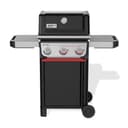 | 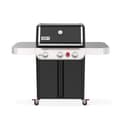 |
|---|---|---|
| Main burners | 3 | 3 |
| Main burner BTU | 31,000 | 39,000 |
| Primary cooking area | 360 sq in | 513 sq in |
| Cooking area | 450 sq in | 641 sq in |
| Warranty | 10-yr cookbox & burners | 12-yr cookbox, 10-yr burners |
| Price | $549.00 · View on Amazon Price as of October 21, 2026. #ad How we’re funded |
The short version
The Spirit E-325and the Genesis E-325 are both current Weber three-burner propane grills with a Sear Zone, porcelain-enameled cast-iron grates and stainless burner tubes. They cook with the same character — the difference is size, searing hardware, build mass and warranty. The Spirit is the volume grill Weber sells to most households; the Genesis is the step up for someone who grills frequently, cooks for more people, or simply wants the most grill Weber makes short of a built-in. Neither out-grills the other on a burger; the Genesis just does more at once and is built to do it for longer.
Cooking area and capacity
This is the clearest difference. The Spirit gives you 360 square inches of primary grilling space (450 total with the warming rack) — enough for a family of four to six and a two-zone setup with room to spare. The Genesis steps up to 513 square inches primary (641 total), a real jump that translates to several more burgers or a couple more racks of anything at once. If you routinely cook for six-plus or like to sear on one side while something roasts on the other, the Genesis’s extra surface is the single best reason to pay up. If your biggest cook is dinner for the household, the Spirit’s area is not a limitation.
Searing and burners
Both grills have three main burners and a Sear Zone, but the Genesis’s is larger and backed by a dedicated searing burner (rated 13,000 BTU separate from its 39,000 BTU mains), where the Spirit uses Boost Burners to add roughly 40% more power in its sear zone off a 31,000 BTU main system. In practice both sear a steak well — this is not a case of one grill searing and the other not — but the Genesis’s bigger, hotter sear station handles more steaks at once and recovers heat faster between batches. For an occasional steak night the Spirit is plenty; for a cook who sears often or in quantity, the Genesis earns its keep. Remember that raw BTU isn’t the point: both grills keep heat where the food is, which is why the Spirit’s lower number still sears cleanly.
Build, grates and warranty
The Genesis is the heavier, more substantial grill, and Weber backs it with its longest coverage: a 12-year cookbox warranty and 10 years on burners and grates, versus the Spirit’s 10-year cookbox and burners and 5 years on grates and Flavorizer bars. Both use porcelain-enameled cast-iron grates and stainless burner tubes — the good stuff — so day to day they feel similar to cook on. The Genesis’s extra mass helps it hold heat a little steadier in wind and cold, and its longer warranty reflects a build meant for heavier use. For most backyards the Spirit’s build is more than durable enough; the Genesis is the choice if you want the longest-lived grill Weber offers at this format.
Price and value
The Spirit costs meaningfully less, and for the majority of buyers it’s the better value: you get Weber’s cooking, grates, warranty and parts ecosystem without paying for capacity you won’t use. The Genesis is worth the jump only if you specifically need the extra area, the bigger sear station, or the longest warranty — that is, if you cook often and for more people. Paying up for a Genesis to cook the same weeknight dinners a Spirit handles is spending on headroom you won’t reach. See how both rank against the rest of the field in our best gas grills roundup.
Spirit vs Genesis at a glance
| Dimension | Spirit E-325 | Genesis E-325 |
|---|---|---|
| Main burners | 3 | 3 |
| Primary cooking area | 360 sq in | 513 sq in |
| Sear station | Boost Burners | Larger Sear Zone + 13,000 BTU burner |
| Cookbox warranty | 10 years | 12 years |
| Best for | Most families, value buyers | Frequent cooks, crowds |
Which should you buy?
Buy the Spirit E-325if you want the best-value way into a Weber gas grill and you cook for a household — it’s our overall pick in the gas grills roundup for exactly that reason, and our full Spirit review covers it in depth. Buy the Genesis E-325if you grill often, cook for more than a few people, sear in quantity, or simply want the longest-warranty three-burner Weber builds. If you’re still weighing gas against another fuel entirely, our charcoal vs gas and pellet vs gas guides make the case each way.
Frequently asked questions
What is the difference between the Weber Spirit and Genesis?
Both are current three-burner Weber propane grills with a Sear Zone, porcelain cast-iron grates and stainless burners. The Genesis is bigger (513 vs 360 sq in primary), has a larger sear station with a dedicated searing burner, a heavier build, and a longer warranty (12-year cookbox vs 10). They cook with the same character; the Genesis just does more at once and is built for heavier use.
Is the Weber Genesis worth the extra money over the Spirit?
Only if you'll use the extra capacity. The Genesis is worth the jump for cooks who grill often, feed more than a few people, or sear in quantity — its bigger sear station and cooking area and longer warranty earn their keep. If your biggest cook is weeknight dinner for the household, the Spirit gives you the same Weber cooking for meaningfully less money.
Do the Spirit and Genesis sear equally well?
Both sear a steak well — this isn't a case of one searing and the other not. The Genesis's sear zone is larger and backed by a dedicated 13,000 BTU searing burner, so it gets hotter, handles more steaks at once, and recovers heat faster between batches. For occasional steak nights the Spirit is plenty; for frequent or high-volume searing the Genesis has the edge.
How much bigger is the Genesis than the Spirit?
The Genesis E-325 offers 513 square inches of primary cooking area against the Spirit E-325's 360 — about 40% more grilling space, or roughly a few extra burgers and a couple more racks at a time. Total area including the warming rack is 641 versus 450 square inches. If you regularly cook for six or more, that difference is the main reason to choose the Genesis.
Which Weber gas grill is best for most people?
The Spirit E-325. It delivers Weber's cooking, porcelain cast-iron grates, a real Sear Zone, a 10-year cookbox warranty and the deep Weber parts ecosystem at a mid-range price — everything most households need without paying for capacity they won't use. Step up to the Genesis only if you specifically need more cooking area, a bigger sear station, or the longest warranty.
Keep reading
Weber Spirit E-325 Review
Our full, spec-driven take on the three-burner most gas shoppers should buy.
Read the review →Weber Genesis E-325s Review
The premium Weber examined on its own — bigger Sear Zone, more space and the longest warranty.
Read the review →Best Gas Grills
All six gas grills we rank, on burners, cooking area and build.
See the roundup →