The Snake Method on a Weber Kettle
A kettle is a grill. The snake method turns it into a smoker that holds 225°F for six hours or more without you touching it — using nothing but briquettes laid in a particular shape. Here is the layout, the count, and the two mistakes that ruin it.
Quick answer
Lay briquettes two wide and two high in a continuous line around the inside edge of the charcoal grate, covering roughly half to two-thirds of the circle. Put wood chunks on top of the first third. Set a foil pan of water inside the arc. Light 8 to 12 briquettes in a chimney and tip them onto one end of the line. Bottom vent about a quarter open, top vent fully open, top vent positioned over the far end of the snake. The fire creeps along the line at roughly one zone per hour and holds 225–275°F for six hours or more, untouched.
Why this works
A charcoal kettle is designed to burn a lot of fuel fast under food. Smoking needs the opposite: a small amount of fuel burning slowly for a long time. The usual way to fail at this is to light a normal pile of charcoal, close the vents down hard, and spend eight hours fighting a fire that is either too hot or going out.
The snake method solves it with geometry instead of vent control. Because the briquettes are laid in a single line rather than a pile, only the few at the burning front can be alight at any moment. Each one ignites its neighbor and the fire creeps along the line at a rate set by the shape of the stack, not by how hard you are choking the air. You are effectively building a fuse.
That is also why it has to be briquettes. The method depends on every piece being the same size and interlocking with its neighbors. Lump charcoal comes in irregular pieces, so a lump snake either collapses or burns unevenly — the big pieces making hot spots and the small ones burning through early. The full comparison is in lump charcoal vs briquettes; for this one technique, there is no debate.
The layout, in detail
Two wide, two high.Lay two briquettes side by side against the outer edge of the charcoal grate, then rest two more in the valleys on top. That cross-section is the standard and it is what produces roughly one hour of burn per 15–20 cm of line in most conditions.
Around the edge, not across the middle.The line follows the inside circumference of the grate. This keeps the fire at the perimeter and the food in the middle, which is what makes the cook indirect — the meat is never over the coals.
Leave a gap. Do not close the circle. If the two ends touch, the fire can jump across and burn in both directions, which doubles your burn rate and ruins the cook. Half to two-thirds of the circle is plenty for most cooks.
Want longer? Go two wide and three high, or run the snake around more of the circle. Want hotter? Three wide. The shape is the dial.
How long will it run?
Honest answer: longer than most people expect, and we are not going to print a precise figure because nobody can. Burn rate depends on the briquette, the ambient temperature, the wind, how well your kettle seals and how far open the bottom vent is. What is reliable is the relationship: a snake covering half the circle at two-by-two typically gets you into the five-to-seven hour range, and more line or more height gets you more time.
What this means practically is that a kettle snake comfortably covers ribs (around five to six hours) and will usually cover a pork shoulder with one top-up. It will not usually see a full brisket through unattended. If brisket is the ambition, that is the honest argument for a cooker with more fuel capacity — see kettle vs kamado or the offset smokers we rank.
If you need to extend a snake mid-cook, add unlitbriquettes to the far, unburnt end — never near the fire. A kettle with a hinged cooking grate makes this far easier, because you can drop fuel in without lifting the food out; that is one of the main reasons we rank the Master-Touch above the plain kettle for anyone who smokes.
Where the wood goes, and how much
Three or four fist-sized chunks, on the first third only.Not chips — chips flash off in minutes and achieve nothing on a cook this long. Chunks sit on the briquettes and smolder as the fire reaches them.
Wood goes on the early section because meat takes up smoke in the first hours, while the surface is still cool and damp. Once a crust has formed, additional smoke contributes far less flavor and mostly just accumulates. Chunks on the far end of the snake burn at hour five, when they are no longer doing anything useful.
On species: apple, cherry and other mild fruitwoods are forgiving and hard to overdo, which makes them the right choice while you are learning. Hickory and oak are stronger. One caution worth stating because it has a real authority behind it — the US EPA’s own wood-burning guidance is that wood burns best below 20% moisture, and that coated, painted or pressure-treated wood, plywood, particle board and driftwood must never be burned. Which species suits which meat is in best wood for smoking.
What you need to run one properly
Three things, and only one of them is expensive. A chimney starter, because you need a small, precisely sized batch of properly lit coals and no lighter fluid, which taints food. A two-probe or multi-probe thermometer, because the lid dial on a kettle reads the air at the top of the dome rather than the grate where the food is, and on thin steel that gap can be thirty degrees — running a snake blind is the main reason people conclude it does not work. And wood chunks.
Temperature targets are worth getting from an authority rather than a forum. The USDA publishes safe minimum internal temperatures, and also publishes the point most relevant here: color is not a reliable doneness test, a thermometer is. Both are cited at the foot of this page.
How this is funded: we earn a commission if you buy through our links, at no extra cost to you. It never changes which product we recommend, and we’ll tell you when we’d skip one, or point you to a cheaper option when it’s the better buy. Full disclosure.
What to have before you light one
Live prices from our daily refresh. The thermometer is the one that actually decides whether the technique works for you — a snake run on a lid dial is a snake run blind.
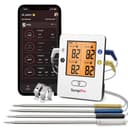
ThermoPro TP25 4-Probe Bluetooth Thermometer
Four probes — one clipped at grate level, the rest in the meat — with a phone alert, so you can leave a six-hour cook alone and still know what it is doing.
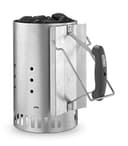
Weber Rapidfire Chimney Starter (Standard)
A full-size chimney for a 22-inch kettle. You only need a quarter of it for a snake, which is exactly why you want one rather than guessing with lighter fluid.
Price as of October 14, 2026. #ad How we’re funded
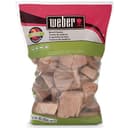
Weber Apple Wood Chunks (350 cu in, 4 lb)
Mild apple chunks in a 350 cu in, 4 lb box — hard to overdo while you are learning, and the right format for a snake rather than chips.
Price as of October 14, 2026. #ad How we’re funded
The two mistakes that ruin it
Mistake one: too many starter coals.This is by far the most common failure. Tipping half a chimney onto the snake lights a long section of the line at once, and now you have a fire, not a fuse. The kettle shoots past 300°F, you panic and close the vents, and you spend the next two hours with a smoldering, acrid fire. Eight to twelve briquettes. It will look like far too few. It is not.
Mistake two: closing the top vent. The instinct when the temperature climbs is to shut everything. Do not shut the top. A charcoal fire needs to exhaust, and choking the outlet makes it smolder rather than burn, which produces the sooty, bitter smoke that makes food taste like an ashtray. Top vent fully open, always; control with the bottom vent only, in small increments, waiting fifteen minutes between changes.
Two smaller ones worth avoiding: closing the circle, which lets the fire burn both ways, and lifting the lid. Every lift dumps your accumulated heat and pulls a surge of air across the coals. If you want to know what is happening inside, that is what the thermometer is for.
Pointing the top vent is not optional
One detail that gets left out of most explanations and changes the result noticeably: rotate the lid so the top vent sits over the far, unlit end of the snake.
Heat and smoke travel from the fire toward the exhaust. If the vent is directly above the lit coals, everything goes straight up and out, and the far side of the grate stays cool and gets little smoke. Put the vent at the opposite end and you force the flow to cross the whole cooking grate on its way out, which both evens out the temperature and puts smoke where the meat is. Move the vent as the fire advances if you like; it is a free improvement either way.
What to cook on your first snake
Ribs. They fit a kettle comfortably, they are forgiving, and they finish inside a single snake with no top-up, so the first time you try this you are not also learning fuel management. Our method, including the 3-2-1 timings and the doneness cues that actually matter, is in how to smoke ribs— written for an offset, but the cook is the same once you are holding 250°F.
Then a pork shoulder, which is the most forgiving large cut there is and the natural next step; the walkthrough is in how to smoke a pork shoulder. Leave brisket until you have both of those behind you.
And if you find you enjoy this more than grilling, that is genuinely useful information: it means the next cooker you buy should be chosen for fuel capacity and heat retention rather than grate space. The charcoal grills we rankare compared on exactly the hardware that makes a kettle a better smoker — hinged grates, ash catchers and lid thermometers.
Frequently asked questions
How many briquettes do you use for the snake method?
For the snake itself, lay them two wide and two high around the inside edge of the charcoal grate, covering about half to two-thirds of the circle — on a 22-inch kettle that is typically somewhere around 50 to 70 briquettes depending on brand size. For the starter, light only 8 to 12 in a chimney, which is roughly a quarter of a full load. Too many starter coals is the single most common reason a snake runs too hot.
How long does the snake method last?
A two-by-two snake covering half the circle typically runs in the five-to-seven hour range, but no honest figure exists because burn rate depends on the briquette brand, ambient temperature, wind, how well your kettle seals and how far open the bottom vent is. The reliable part is the relationship: more line or more height gives you more time. Practically, it covers ribs without a top-up and usually covers a pork shoulder with one.
Can you use lump charcoal for the snake method?
Not well. The method works because briquettes are identical interlocking pillows, so the fire creeps along the line at a steady rate set by the stack geometry. Lump comes in irregular pieces, so a lump snake either collapses or burns unevenly — large pieces creating hot spots and small ones burning through early. This is the one charcoal technique where the format genuinely is not a matter of preference.
Where do you put the wood chunks in a snake?
Three or four fist-sized chunks spaced along the first third of the snake only, sitting directly on top of the briquettes. Meat takes up smoke in the early hours while the surface is still cool and damp; once a crust has formed, extra smoke adds far less flavor. Chunks placed on the far end burn at hour five when they are no longer doing anything useful. Use chunks, not chips — chips flash off in minutes.
Which way should the top vent face for the snake method?
Over the far, unlit end of the snake, away from the lit coals. Heat and smoke travel from the fire toward the exhaust, so a vent sitting directly above the burning end sends everything straight up and out, leaving the rest of the grate cooler and under-smoked. Positioning it at the opposite end forces the flow across the whole cooking grate, which evens out temperature and puts smoke where the food is.
Why is my snake method burning too hot?
Almost always one of two things. Too many lit starter coals, which ignites a long section of the line at once and gives you a fire instead of a fuse — use 8 to 12 briquettes, which will look like far too few and is not. Or the snake has closed into a full circle so the two ends touch, letting the fire burn in both directions at once and doubling the burn rate. Leave a deliberate gap, and control temperature with the bottom vent while leaving the top fully open.
Sources
- USDA FSIS — Safe Minimum Internal Temperature Chart — The USDA's official safe minimum internal cooking temperatures for beef, poultry, pork and more (accessed July 22, 2026)
- USDA FSIS — Doneness Versus Safety — USDA on why color is not a reliable doneness test and a thermometer is (accessed July 22, 2026)
- US EPA Burn Wise — Best Wood-Burning Practices — The EPA's own wood-burning guidance: "Wood burns best at a moisture content of less than 20 percent," season wood for at least six months, and never burn coated, painted or pressure-treated wood, plywood, particle board, ocean driftwood, or wet, rotted, diseased or moldy wood (accessed September 22, 2026)
Keep reading
How Much Charcoal Do You Need?
How many briquettes for a given temperature and cook length, and how to stop guessing at the start of every cook.
Read the guide →Lump Charcoal vs Briquettes
Irregular against uniform — which format suits grilling, which suits long smokes, and what nobody publishes.
Read the guide →How to Use a Charcoal Grill
Lighting, two-zone setup and vent control — the fundamentals every kettle technique is built on.
Read the guide →