How to Cook Pizza on a Kamado
This is the cook a ceramic grill is unreasonably good at — and the one people most often ruin in the first two minutes. The problem is never the heat; it is the stack. Here is the setup from the charcoal up, and the temperature each style of pizza actually wants.
Quick answer
Build the stack: charcoal, then heat deflector plates, then an air gap, then the stone.The air gap is the whole trick — a stone sitting directly on a deflector conducts heat straight into the base and burns it black before the cheese melts. Bring the kamado to 550 to 650°F for a New York-style pizza or 700°F and up for Neapolitan, then let the stone soak at that temperature for 30 to 45 minutes before the first pizza goes on. Cooking time at the top end is four to six minutes, and under two if you are genuinely at 800°F. Rotate the pizza halfway. Pull the first one early and taste it; the second will be better.
Why a kamado is so good at this
A pizza oven does three things: it holds a very high temperature, it radiates heat down onto the top of the pizza from a hot ceiling, and it conducts heat up into the base from a hot hearth. A ceramic kamado does all three almost by accident.
The thick ceramic walls store an enormous amount of heat and radiate it back off the inside of the dome, which is what cooks the top of a pizza in minutes and leaves leopard-spotted blisters on the cornicione. The sealed, tightly controlled airflow means it reaches and holds 700°F without a struggle. And once a stone inside it is heat-soaked, it behaves like a hearth. That combination is why a kamado outperforms a gas grill at pizza so decisively, and it is a large part of what the ceramic is actually buying you — see ceramic vs steel.
It is also why pizza is one of the strongest arguments in the kamado versus pellet grilldecision. A pellet grill will bake a decent pizza at 450°F. It will not reach the temperature at which pizza stops being baked bread and starts being pizza.
The stack, from the bottom up
Get the order right and the cook is easy. Get it wrong and the base burns every time, which is the single most common kamado pizza failure.
1. A deep bed of lump charcoal.Fill to roughly the fire ring. You are heating a lot of ceramic and holding it hot, which needs more fuel than grilling. Lump rather than briquettes — it reaches higher temperatures, leaves far less ash to choke the bottom vent over a long hot burn, and there is no binder smell at the top of the range.
2. Heat deflector plates. Pizza is an indirect cook. Without deflection, flame and radiant heat hit the underside of the stone directly and the base is charcoal in ninety seconds. Half-moon plates are the standard answer and have a useful secondary advantage: you can lift one out to peek at the fire without dismantling the stack.
3. An air gap of at least half an inch.The step people miss. A stone resting flat on the deflector is in direct conductive contact with a 600°F ceramic plate, which puts far more heat into the base than into the toppings. Raising the stone on legs, a pizza wedge, a small trivet or three balls of crumpled foil creates a layer of air that moderates the conduction so the top and the bottom finish together. If your bases keep burning while the cheese is still pale, this is why.
4. The stone, ideally at or just above the felt line. Pizza wants to sit high in the dome, closer to the radiant ceiling. Most kamado accessory systems raise the cooking surface for exactly this reason. It is not essential, but it improves the top of the pizza noticeably.
Temperature by style
There is no single right number, because different pizzas are different foods.
| Style | Dome temperature | Time |
|---|---|---|
| Neapolitan, thin and wet | 700–800°F+ | 60–120 seconds |
| New York, thin and firm | 550–650°F | 4–6 minutes |
| Thick crust or pan pizza | 450–500°F | 12–18 minutes |
| Frozen or par-baked | 450–500°F | Per the box, watch the base |
Start at 600°F for your first attempt, regardless of what you are ultimately aiming for. Four to six minutes gives you time to look at the pizza and learn your grill’s hot side. At 800°F a pizza goes from pale to ruined in about twenty seconds, which is an unkind place to learn.
One caution on the high end: running a kamado above about 700°F is hard on gaskets, and most manufacturers say so. It is a thing to do occasionally and deliberately, not every weekend. The gasket is a wear part — kamado accessories covers the parts that age.
How this is funded: we earn a commission if you buy through our links, at no extra cost to you. It never changes which product we recommend, and we’ll tell you when we’d skip one, or point you to a cheaper option when it’s the better buy. Full disclosure.
The stone, the deflection, and the fuel that gets you to 700°F
Live prices, fetched and date-stamped. In stack order from the top down. All three fit the Classic Joe series, the Konnected Joe, a Large Big Green Egg and other round 18-inch charcoal grills — check your own diameter before ordering.
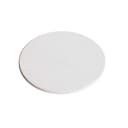
Kamado Joe 15-inch Ceramic Pizza Stone
A 15-inch ceramic stone, which is the right size for an 18-inch kamado — big enough for a 12-inch pizza with a working margin, small enough to leave airflow around the edge. Raise it off the deflector rather than resting it flat.
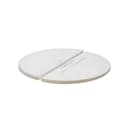
Kamado Joe Half-Moon Ceramic Heat Deflector Plates, Classic (set of 2)
Two ceramic half-moon plates. Without deflection, radiant heat hits the underside of the stone directly and the base is black in ninety seconds. The half-moon shape also lets you lift one out to check the fire without pulling the stack apart.
Price as of October 16, 2026. #ad How we’re funded
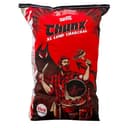
Jealous Devil Chunx XL Lump Charcoal (35 lb)
35 lb of extra-large quebracho blanco lump — dense, high-heat and low-ash. Pizza needs a deep bed of fuel held hot for an hour, and low ash matters because ash choking the bottom vent is what stops a kamado holding 700°F.
Price as of October 16, 2026. #ad How we’re funded
The two mistakes that ruin most kamado pizzas
1. A burnt base and a raw top.Conduction beating radiation. The cause is almost always the missing air gap, and the fix is to raise the stone. If you have the gap and it still happens, the stone is too hot relative to the dome — which means the fire is too close, so raise the whole cooking surface higher in the dome.
2. A pale, soggy base. The stone was not heat-soaked. The dome thermometer reads the air, and air heats in minutes while a slab of ceramic takes half an hour or more. Giving the stone 30 to 45 minutes at target temperature is the single highest-value thing on this page, and it costs nothing but patience.
Two smaller problems worth naming. Too many toppingsis the most common home-pizza error anywhere — wet toppings release water, water steams the base, and no amount of heat fixes it. And a sticking pizza is a peel problem rather than a stone problem: flour or semolina on the peel, build fast, and launch in one motion rather than easing it off.
Does the stone need to be a pizza stone?
It needs to be a thermal mass that tolerates 700°F, and there are three real options.
A ceramic pizza stoneis the standard answer: cheap, effective and forgiving. It takes a while to saturate with heat, which is a feature rather than a bug — once it is up to temperature it holds it through several pizzas.
Baking steelconducts much faster and gives a more aggressive base char in less time. In a kamado that is a mixed blessing: at the top of the range steel can over-brown a base before the top is done, so it suits the 550 to 600°F band better than 800°F.
What not to use:a household ceramic tile, a glass dish or a thin sheet pan. The first two can crack or shatter at these temperatures and the third has no thermal mass at all. Whatever you use, put it in cold and bring it up with the grill — dropping a cold stone into a 650°F kamado is the classic way to crack one.
What else the setup is good for
A heat-soaked stone over deflector plates is a hearth, and it is wasted on pizza alone. The same stack bakes flatbread, naan and focaccia, roasts vegetables without scorching, and bakes genuinely good bread — a kamado with the vents nearly shut is a convection oven that happens to smell of wood smoke. If you are running the grill hot for pizza, it is worth having a second thing ready to go in afterwards while the ceramic gives its heat back.
And the reverse is worth knowing: this is the versatility argument for a kamado over a dedicated smoker. It will hold 225°F all day for low-and-slow barbecueand reach 700°F for pizza in the same afternoon, which is something neither an offset smoker nor a pellet grill will do.
Where to go next
For the hardware around this cook, best kamado accessories covers deflectors, stones, baskets and the fitment measurements for each. For fuel, best lump charcoalranks the bags on species and lump size, which matters more at 700°F than at 225°F. And if you are still choosing a kamado, Big Green Egg vs Kamado Joe is the comparison most buyers are weighing.
Frequently asked questions
What temperature do you cook pizza on a kamado?
It depends on the style. A New York-style thin crust wants 550 to 650°F and takes four to six minutes. A Neapolitan pizza wants 700°F and up and cooks in one to two minutes. Thick-crust and pan pizzas want 450 to 500°F for twelve to eighteen minutes. Start at 600°F for your first attempt whatever you are aiming for — at 800°F a pizza goes from pale to ruined in about twenty seconds, which is a hard place to learn.
Do you need a heat deflector for pizza on a kamado?
Yes. Pizza is an indirect cook, and without deflector plates the flame and radiant heat from the fire hit the underside of the stone directly, which turns the base black in about ninety seconds. Half-moon ceramic plates are the standard solution and have a practical advantage over a single round plate: you can lift one out to look at the fire without dismantling the whole stack.
Why does my pizza base burn on a kamado?
Almost always because the stone is sitting directly on the heat deflector. In that position the stone is in direct conductive contact with a 600°F ceramic plate, so far more heat goes into the base than into the toppings. Raise the stone at least half an inch above the deflector on legs, a pizza wedge, a trivet or three balls of crumpled foil. The air gap moderates the conduction so the top and bottom of the pizza finish together.
How long should you preheat a pizza stone on a kamado?
Thirty to forty-five minutes at your target temperature, after the grill itself has reached it. This is the step most people skip and the most valuable one on the page. The dome thermometer reads air temperature, and air heats in minutes while a slab of ceramic takes far longer to saturate — a cold stone under a hot dome gives you a pale, soggy base no matter how high the air temperature reads.
What size pizza stone do I need for a kamado?
A 15-inch stone suits an 18-inch kamado such as a Kamado Joe Classic or a Large Big Green Egg. That gives room for a 12-inch pizza with a working margin while leaving airflow around the edge of the stone, which matters — a stone that fills the whole opening blocks the convection the dome relies on. Measure your grill's cooking diameter before ordering, since accessory fitment is per-size rather than universal.
Can you use lump charcoal or should you add wood for pizza?
Lump charcoal is the right fuel and wood is optional. Lump reaches higher temperatures than briquettes, leaves far less ash to choke the bottom vent over a long hot burn, and has no binder smell at the top of the range. A chunk or two of a mild wood adds a faint smoke note, but at 700°F a pizza is in the grill for under two minutes, so it picks up very little — the wood-fired character comes from the radiant ceramic, not from smoke.
Is a pizza stone or a baking steel better in a kamado?
A ceramic stone for high-temperature pizza, steel for the 550 to 600°F band. Steel conducts much faster and gives a more aggressive base char, which is excellent in a domestic oven and can be too much in a kamado running at 700°F — it over-browns the base before the top is done. Ceramic takes longer to heat and then holds that heat steadily through several pizzas, which suits this cooker better. Never substitute a household tile or a glass dish.
Is it bad to run a kamado at 700°F?
It is hard on the gasket, and most manufacturers say so. The felt or mesh gasket that seals the dome is a wear part and high-temperature running shortens its life, so pizza at the top of the range is best treated as an occasional deliberate cook rather than a weekly habit. The ceramic itself is fine at those temperatures. If you cook pizza often, the 550 to 650°F band gets excellent results with much less wear.
Keep reading
Best Kamado Accessories
Deflector plates, stones, baskets and rotisserie kits — with the fitment measurement to check on each.
See the picks →How to Use a Kamado Grill
The other end of the range: vent control, lighting and holding 225°F all day on the same cooker.
Read the guide →Best Lump Charcoal
Species, lump size and bag weight — which matters far more at 700°F than it does at 225°F.
See the picks →Kamado Grill vs Pellet Grill
Pizza is one of the strongest arguments on the kamado side of this decision. Here is the rest of it.
Compare them →