Offset Smoker Mods That Actually Work
A budget offset is a good cooker with three specific defects, and all three have known fixes costing less than dinner. Here are the six mods worth doing in the order worth doing them — plus the popular ones that fix nothing, and the honest point at which modding stops being worth it.
Quick answer
Do these three first, in this order: fit grate-level thermometers, seal the leaks, and lower the exhaust stack.Together they cost very little and they fix the three things actually wrong with a sub-$600 offset — a lid dial that lies by 50°F or more, a cook chamber and firebox that leak air you cannot control, and an exhaust that pulls heat across the top of the chamber instead of across the meat. After those, in descending order of value: a charcoal basket, tuning plates and a raised firebox grate. What is not worth doing: insulating the firebox, adding a water pan permanently, or replacing a thin cook chamber — the last one is a new smoker wearing a disguise.
What is actually wrong with a cheap offset
Budget offsets get a bad reputation for the wrong reason. The steel is thinner than a custom pit’s and that genuinely matters — it is why our buying guide treats steel gauge as the headline spec. But thin steel is not what makes a cheap offset frustrating to run. Three fixable defects do.
1. You cannot see the temperature you are cooking at.The factory dial is mounted in the lid, high above the grate and far from the meat. It is reading the hottest air in the chamber, at the top, often through a cheap bimetallic mechanism that was never calibrated. Discrepancies of 50°F or more between the lid dial and grate level are routine. Every other problem you think you have is partly this one.
2. Air goes in and out where you did not choose. A fire is controlled by deciding where air enters and leaves. Loose lid fit, unsealed firebox seams and gaps around the firebox door mean a budget offset is breathing through holes you cannot adjust, so the intake vent has much less authority than it should. The result feels like a smoker that will not hold a line.
3. The exhaust is in the wrong place. Most budget offsets put the stack opening at the top of the chamber. Heat and smoke therefore travel across the roof and straight out, while the meat sits in cooler, stiller air below. That is the main cause of the big temperature difference between the firebox end and the far end of the grate.
Notice what is not on that list: smoke flavor, capacity and build quality. Mods fix control, not class. An offset that holds 250°F across its grate cooks like a far more expensive pit; one that does not will fight you no matter how heavy it is.
The six mods, in order of value
1. Grate-level thermometers. Do this before anything else and before you cook on the smoker again. Put a probe at grate level at each end of the chamber and you immediately learn two things the factory dial hides: what temperature the meat is actually in, and how big the gap is between the firebox end and the far end. Every other decision on this page depends on being able to measure the effect. A multi-probe monitor does it without drilling the chamber, which is the cheap, reversible version of what used to mean fitting two dial thermometers.
2. Seal the leaks. High-temperature gasket and smoker-rated silicone applied to the lid lip, the firebox seams and around the firebox door. This is a genuinely transformative mod on cheap steel for a very small outlay: once the only air in is the air you let in, the intake damper starts doing what it is supposed to do, and holding a temperature becomes vent adjustment instead of guesswork. Find the leaks by lighting a small fire and watching where smoke escapes.
3. Lower the exhaust stack. Extend the stack downward on the insideof the cook chamber — a length of pipe, or an elbow and pipe, taking the intake of the exhaust from the roof down to grate level. This is the single biggest change to how evenly an offset cooks, because it forces hot air and smoke to travel across the food on its way out rather than above it. Many cooks report the end-to-end temperature gap narrowing substantially. Some offsets, including several reverse-flow models, already route exhaust low and do not need this — see reverse-flow vs traditional.
4. A charcoal basket for the firebox. A fire burning on the floor of a firebox is sitting in its own ash, starved of air from below and spread too thin. A basket lifts the fuel, lets air through it from underneath and keeps the coal bed concentrated, which makes a small clean fire far easier to maintain. This is the mod that most improves fuel efficiency and the one experienced offset cooks mention most often after sealing.
5. Tuning plates or a baffle. Steel plates laid under the cooking grate between the firebox and the far end, which you shuffle around to even out the heat. They work, and they are fiddly: it takes several cooks with grate-level probes to find the right arrangement for your pit. Do this aftermods one to three, because those are cheaper and fix more. If the stack mod got your end-to-end gap under about 25°F, you may not need plates at all.
6. A raised firebox grate, and a firebox air inlet you can actually adjust.If your firebox has no grate, adding one to get the fire off the floor does much of what a basket does. And if the intake is a crude sliding plate that jams, replacing it with something that moves smoothly is a quality-of-life fix rather than a performance one — but you will use it every cook.
What you can buy, and what you have to fabricate
Being straight about this: three of the six mods above are not products, they are jobs. Gasket and sealant, a lowered stack and tuning plates are bought as raw material from a hardware supplier or cut to fit your specific pit; there is no registry item for them and anything sold as a universal kit is unlikely to fit your firebox. We are not going to pretend otherwise to put a buy button on the page.
What is worth buying is the measurement that tells you whether any of it worked, the fuel that removes the most common cause of a bad fire, and protection for handling a live firebox — which modding means doing a great deal more of.
How this is funded: we earn a commission if you buy through our links, at no extra cost to you. It never changes which product we recommend, and we’ll tell you when we’d skip one, or point you to a cheaper option when it’s the better buy. Full disclosure.
Measure it, feed it properly, and don't burn your hands
Live prices, fetched and date-stamped. The three mods above that are genuinely purchases rather than fabrication jobs. The thermometers come first for a reason: without grate-level numbers you cannot tell whether any other mod helped.
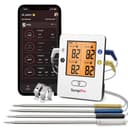
ThermoPro TP25 4-Probe Bluetooth Thermometer
Four color-coded probes with Bluetooth to about 650 ft. Put one at each end of the grate and two in meat, and you can see the end-to-end gap and the real cooking temperature without drilling the chamber — which is the whole starting point for every other mod here.
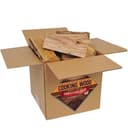
Smoak Firewood Cooking Wood Mini Splits, White Oak (8 in, 25-30 lb)
USDA certified kiln-dried white oak in 8 in mini splits — sized for a small offset firebox rather than a fireplace. Wet or unseasoned wood is the most common cause of a smoldering, bitter, hard-to-control fire, and no amount of modding fixes fuel.
Price as of October 16, 2026. #ad How we’re funded
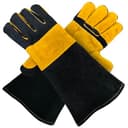
Grill Armor 16-inch Leather Fire Pit Gloves
Sixteen-inch leather gauntlets, maker-rated to 932°F. Modding an offset means repeatedly handling a hot firebox door, live splits and a basket of coals. Leather is the right material here — silicone and neoprene are for hot meat and metal, not for reaching into fire.
Price as of October 16, 2026. #ad How we’re funded
Three popular mods that change nothing
Insulating the cook chamber with a welding blanket. It helps in genuinely cold or windy conditions and does very little otherwise, and it is a fire risk if the material is wrong. It also hides leaks rather than fixing them. Do mod two instead.
Leaving a water pan in permanently.A water pan adds thermal mass and humidity, which is useful on some cooks, and it is not a fix for a smoker that will not hold temperature — it masks swings by damping them while using more fuel. Use it as a cooking choice, not as a repair.
A bigger stack, or a taller one. Height and diameter affect draw at the margins; where the exhaust draws from affects evenness enormously. People spend money raising stacks when the valuable version of that mod is extending it downward on the inside.
And one that is not a mod at all: soaking wood chunks or splits. Wet wood does not smoke for longer, it steams until the water is gone and then burns — and in the meantime it drops your fire temperature and makes the dirty smoke that tastes acrid. The smoking wood guide covers why dry wood on a clean fire beats every technique.
How to tell whether a mod worked
Change one thing at a time, and measure it the same way each time. The test is simple and it is the same test for every mod on this page:
- Light the smoker the way you normally do and bring it to a target of 250°F at grate level, firebox end.
- Note the temperature at the far end of the grate at the same moment. The difference between those two numbers is the figure most mods are trying to shrink.
- Note how often you touched the vents over an hour to hold the line, and how much fuel you went through. Those two are what sealing and a charcoal basket improve.
Write the numbers down. A pit that started with a 60°F end-to-end gap and three vent adjustments an hour, and ends up with a 20°F gap and one, has been genuinely transformed — and you will only know that if you measured the first one. This is also how you find out that a mod you were excited about did nothing on your particular smoker.
When to stop modding and buy a better pit
Modding has an honest ceiling, and it is set by metal. Sealing, stacks, baskets and plates all improve control. None of them adds thermal mass, and thermal mass is what makes a heavy pit shrug off a gust of wind or a door opening. If you have done mods one to four and the smoker still swings 50°F when the weather changes, you have reached the limit of what the steel can do.
A reasonable rule: if the mods are costing a meaningful fraction of a better smoker, stop. Every dollar spent sealing a $300 offset is well spent; several hundred dollars of fabrication on one is a deposit on an offset under $1,000 with heavier steel and a reverse-flow baffle already fitted. The counter-argument is real too: a modded cheap offset that you understand completely will out-cook an expensive one you have not learned, and the modding itself teaches you more about fire management than any guide can.
The exception worth naming is the grill-and-smoker combo. If your offset is one of the thin barrel combos, the fundamentals are working against you and mods will get you less far — that comparison covers the difference between a combo and a purpose-built offset.
Where to go next
Mods are only half of it. The other half is running the fire well, and a well-run fire in an unmodified pit beats a badly run fire in a modified one — how to use an offset smoker is the page for that, and seasoning is the job to do before any of it if the smoker is new. For the gear that is genuinely required rather than optional, what you need for an offset smoker is the short list. And if you conclude that your pit is not worth the work, the offset roundup ranks the field on steel gauge, capacity and price.
Frequently asked questions
What is the best offset smoker mod?
Fitting grate-level thermometers, and it is not close. The factory lid dial sits high in the chamber away from the meat and routinely reads 50°F or more away from grate temperature, so until you can measure what the food is actually cooking in, you are guessing — and you cannot tell whether any other mod helped. A multi-probe monitor does this without drilling the chamber. Sealing the leaks is the next most valuable, followed by lowering the exhaust stack.
How do you stop an offset smoker leaking smoke?
High-temperature gasket on the lid lip and smoker-rated silicone on the firebox seams and around the firebox door. Find the leaks first: light a small fire and watch where the smoke escapes, which on a budget offset is usually the lid edge and the firebox joints. The point is not to stop smoke escaping for its own sake — it is that once the only air entering is the air you let in through the intake, the damper gains real authority and holding a temperature becomes an adjustment instead of a fight.
Does lowering the smokestack on an offset smoker work?
Yes, and it is the mod that most improves evenness. Most budget offsets take their exhaust from the top of the cook chamber, so heat and smoke travel across the roof and straight out while the meat sits in cooler air below. Extending the stack downward on the inside to grate level forces that flow across the food on its way out, which narrows the gap between the firebox end and the far end substantially. Reverse-flow smokers already route exhaust low and do not need it.
Are tuning plates worth it on an offset smoker?
They work, but do them last. Tuning plates are steel plates under the cooking grate that you shuffle to even out heat, and finding the right arrangement for your pit takes several cooks with grate-level probes. Sealing and a lowered stack are cheaper, less fiddly and fix more, so if those two get your end-to-end temperature gap under roughly 25°F you may not need plates at all. They are a fine-tuning tool, not a repair.
Do you need a charcoal basket in an offset firebox?
It is one of the most worthwhile mods, particularly for fuel use. A fire burning on the firebox floor sits in its own ash, gets little air from below and spreads too thin to stay hot and clean. A basket lifts the fuel, lets air up through the coal bed and keeps it concentrated, which makes a small clean fire much easier to hold. If your firebox has no grate at all, simply adding one gets most of the benefit.
What offset smoker mods are a waste of money?
Three in particular. Insulating the cook chamber with a welding blanket helps in genuinely cold or windy weather and does little otherwise, while hiding leaks you should be sealing. Leaving a water pan in permanently damps temperature swings with extra fuel rather than fixing their cause — use it as a cooking choice instead. And raising or widening the stack is the wrong version of the stack mod; what matters is where the exhaust draws from, not how tall it is.
How much should you spend modding a cheap offset smoker?
Keep it to a small fraction of what a better smoker costs. Gasket, sealant, a length of pipe and a thermometer are all well spent on an entry-level offset and transform how it runs. Several hundred dollars of fabrication is a deposit on an offset under $1,000 with heavier steel and a reverse-flow baffle already built in. The ceiling is set by metal: mods improve control, and only mass gives a pit the stability to shrug off wind and an open door.
Will mods make a cheap offset cook like an expensive one?
On control, surprisingly close. On stability, no. Sealing, a lowered stack, a basket and plates can get a budget offset holding an even line across its grate with far fewer vent adjustments, which is most of what people are paying for. What no mod adds is thermal mass, so a thin pit will still swing when the wind picks up or the door opens, where a heavy one barely notices. That difference is the honest limit of modding.
Keep reading
How to Use an Offset Smoker
The other half of the problem — a well-run fire in a stock pit beats a badly run fire in a modified one.
Read the guide →What You Need for an Offset Smoker
The short list of kit that turns a new offset into a working smoker, and the long list you can skip.
Read the guide →Reverse-Flow vs Traditional Offset
Reverse-flow pits ship with the baffle and low exhaust that two of these mods are trying to replicate.
Compare them →Best Offset Smokers Under $1,000
Where to stop modding and start again — heavier steel and the plumbing already fitted.
See the picks →