recteq vs Traeger
Traeger built the category and still owns the ecosystem. recteq built its reputation on stainless steel, a hotter top end and a longer warranty. Here's how the two brands' mainstream grills compare on published specs.
Quick answer
Buy the recteqif build quality and a hot top end matter most: 304 stainless grates, a stainless barrel, a 180–700°F range that will actually sear, and a four-year warranty. Buy the Traegerif you want the most grate for the money and the largest support and accessory ecosystem in pellet — 860 sq in against 665, but a 500°F ceiling that roasts rather than sears.
How this is funded: we earn a commission if you buy through our links, at no extra cost to you. It never changes which product we recommend, and we’ll tell you when we’d skip one, or point you to a cheaper option when it’s the better buy. Full disclosure.
| Spec | 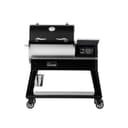 | 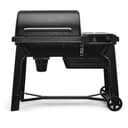 |
|---|---|---|
| Cooking area | 665 sq in | 860 sq in |
| Hopper capacity | 18 lb | 20 lb |
| Temp range | 180-700°F | 180-500°F |
| Control | Dual-band WiFi + PID | WiFIRE app + RTD probe |
| Price | $799.99 · View on Amazon Price as of October 21, 2026. #ad How we’re funded | $899.99 · View on Amazon Price as of October 21, 2026. #ad How we’re funded |
The short version
These two brands are cross-shopped constantly and the reason is that they are genuinely different propositions at a similar price, rather than two versions of the same grill. Traeger’s advantage is scale: it defined the category, everyone stocks it, every accessory maker fits it, every problem you can have with one has already been solved publicly by somebody, and resale value holds. recteq’s advantage is materials and specification: you are buying more stainless steel, a hotter grill and a longer warranty for roughly the same money, from a smaller company with a smaller network behind it.
Cooking area: Traeger, comfortably
860 square inches against 665 is not a rounding error — it is roughly 30% more grate. In practical terms that is the difference between fitting two full racks of ribs plus room to work and fitting two racks with nothing to spare. If you cook for a household of four, either is plenty. If you cook for a crowd, or you want to run a brisket and a pork butt at the same time, the extra space is the single most useful thing on this page.
Temperature range: recteq, decisively
This is the spec that most changes what the grill can do. The Traeger tops out at 500°F, which is a roasting temperature — enough for crisp chicken skin, not enough for a hard steak crust. The recteq runs to 700°F, which puts a genuine sear inside reach without a direct-flame hatch, a second cooker or a set of aftermarket rail panels. If your objection to pellet grills has always been “they can’t sear,” this is the specification that answers it. The wider context, including the models with direct-flame hatches, is in best pellet grills for searing.
Build and warranty: recteq
recteq publishes 304 stainless grates and a stainless barrel, and backs the grill for four years. Stainless is not a cosmetic choice on a machine that lives outdoors and runs wet, greasy and hot; it is the difference between a grill that looks and works the same in year six and one that doesn’t. The four-year term is longer than the mainstream pellet standard, and warranty length is one of the few honest proxies a buyer has for what a manufacturer expects its own product to survive.
Control and ecosystem: a genuine split
Both grills run PID control with app connectivity, and both hold low temperatures well — this is not where they differ. Traeger’s WiFIRE app and RTD probe are polished and reliable, and the ecosystem around them is enormous: covers, shelves, folding tables, drip trays, replacement parts on the shelf at every big-box store, and a huge body of public troubleshooting. recteq’s dual-band WiFi and PID controller are well regarded and the company has a strong direct-support reputation, but the accessory market is far smaller and you are more likely to be ordering a part than picking one up locally.
That ecosystem gap is worth more to some buyers than any spec. If you like being able to walk into a store and buy a replacement part on a Saturday, that is a real argument for Traeger and it is not a sentimental one.
If it is the recteq you are leaning toward, the full single-grill write-up — including the honest case against its 665 square inches — is in our recteq Patio Legend 600 review. And if the Traeger’s 500°F ceiling is what is putting you off, the other brand worth weighing is Camp Chef, which answers it with a direct-flame lever rather than a hotter chamber: Traeger vs Camp Chef.
Which should you buy?
Buy the recteqif you want the better-built grill and you care about searing — you get stainless, 700°F and four years of cover, and you accept a smaller grate and a smaller accessory market. Buy the Traegerif capacity and convenience lead — you get 30% more cooking area, the largest support network in the category and the easiest ownership experience, and you accept a 500°F ceiling and a shorter warranty.
One more honest option: if value per square inch is what you are actually optimizing for, neither of these is the answer. That crown belongs elsewhere in the category — see Z Grills vs Traeger and best pellet grills under $1,000. And if you want a searing hatch rather than a high ceiling, our Traeger vs Pit Boss comparison covers the other end of that argument.
Frequently asked questions
Is recteq better than Traeger?
On build specification, yes: recteq's mainstream grill publishes 304 stainless grates, a stainless barrel, a 180 to 700°F range and a four-year warranty, where the comparable Traeger tops out at 500°F. On capacity and ownership experience, Traeger wins: 860 square inches against 665, plus the largest accessory, parts and support network in pellet cooking. Which is 'better' depends entirely on whether you value searing and materials or space and convenience.
Does recteq get hotter than Traeger?
Yes, substantially. The recteq Patio Legend 600 publishes a 180 to 700°F range; the Traeger Woodridge publishes 180 to 500°F. That 200-degree difference is the gap between roasting and searing — 500°F crisps chicken skin but won't build a hard steak crust, while 700°F will. It's the single biggest functional difference between the two grills.
Which has more cooking space, recteq or Traeger?
The Traeger, by a clear margin at this tier — 860 square inches against the recteq's 665, roughly 30% more grate. In practice that's the difference between fitting two racks of ribs with room to work and fitting them with nothing to spare. Both hoppers are similar (20 lb versus 18 lb), so the capacity gap is about grate space rather than unattended run time.
Is recteq worth the price over a cheaper pellet grill?
It depends on what you're optimizing for. recteq's argument is materials and cover: stainless grates and barrel, and a four-year warranty rather than the shorter mainstream standard. If you want maximum cooking area per dollar instead, value brands beat both recteq and Traeger comfortably — our best pellet grills under $1,000 roundup covers that end of the market.
Do recteq grills have a direct flame searing hatch?
The Patio Legend 600 doesn't need one in the way most pellet grills do — it reaches 700°F through the diffuser, which is hot enough to sear without opening a slot to the firepot. That gives you sear heat across the whole grate rather than in a narrow zone, though a genuine direct-flame hatch like Pit Boss's Flame Broiler still produces a harder crust in its small hot zone.
Keep reading
Traeger Woodridge Review
The mainstream Traeger examined on its own — WiFIRE control, cooking area and what the premium buys.
Read the review →Best Pellet Grills for Searing
The three mechanisms that make a pellet grill sear, and which models use each.
See the picks →How Long Does a Pellet Grill Last?
Which parts wear out, roughly when, what they cost to replace, and the maintenance that decides whether you get five years or fifteen.
Read the guide →