Charcoal Grilling for Beginners
Everything a first-time charcoal cook needs, in the order you'll need it: the three cheap tools that do the heavy lifting, how to light coals without lighter fluid, how much charcoal to use, what the two vents actually do, and a first cook you can run tonight.
How this is funded: we earn a commission if you buy through our links, at no extra cost to you. It never changes which product we recommend, and we’ll tell you when we’d skip one, or point you to a cheaper option when it’s the better buy. Full disclosure.
Three things to buy before your first cook
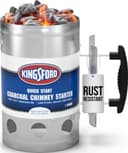 1. Light the coals
Kingsford Heavy Duty Deluxe Charcoal Chimney Starter
Lights a full load evenly in 10 to 15 minutes on newspaper and a match — no lighter fluid, no chemical taste.
$13.80 · View on AmazonPrice as of October 21, 2026. #ad How we’re funded
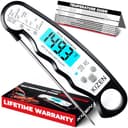 2. Know when it's done
KIZEN IP67 Instant-Read Meat Thermometer
Doneness is a temperature, not a time. The cheapest instant-read we'd stand behind: IP67, backlit, magnetic.
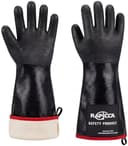 3. Handle it safely
RAPICCA 932°F Neoprene BBQ Gloves (14 in)
You'll pour burning coals and lift a hot grate. A 14-inch cuff covers the forearm, which is what gets burned.
Not a grill upgrade — these are the three cheap tools that turn charcoal from intimidating into repeatable, and together they cost a fraction of the grill. Each is the value pick from our own roundup, not the priciest one: the step-up options and the reasoning behind each choice are linked below.
Quick answer
Charcoal grilling comes down to four moves. Lightthe charcoal in a chimney starter until the top coals ash over gray — about 10 to 15 minutes, no lighter fluid. Bank the lit coals onto one half of the grill so you have a hot side and a cool side. Control the heat with the bottom vent, leaving the top vent mostly open. Cook to an internal temperature with a thermometer, not to the clock. Everything else on this page is detail on those four.
What you actually need to start
A charcoal grill, a bag of charcoal, and the three tools in the kit above. That is the whole list. Beginners routinely spend more on the grill than they need to and nothing on the things that decide whether the food is good, which is backwards: a cheap kettle with a chimney, a thermometer and a decent pair of gloves will out-cook an expensive grill with none of them, every single time. If you have not bought the grill yet, our best charcoal grill for beginners picks the most forgiving ones to learn on, and the full field is in best charcoal grills.
On the tools: the chimney starter is the single highest-value object in charcoal cooking, and the value pick above does the same job as the name-brand one — if you want the step up, the Weber Rapidfire and the small-grill option are both in best charcoal chimney starters. The thermometer above is the cheapest one worth owning; if you want something to leave in the meat during a long cook, the full range is in best meat thermometers. On gloves, the neoprene pair is the all-rounder; a waterproof silicone pair is the better buy if most of your handling is wet and greasy, and both are compared in best BBQ gloves. Tongs and a turner you can borrow from the kitchen for now — when you want the real thing, best grilling tools covers the three that matter.
Briquettes or lump: which charcoal should a beginner buy?
Start with briquettes. They are uniform little pillows of compressed charcoal and binder, which means they burn at a predictable rate for a predictable length of time — and predictability is exactly what you want while you are still learning what a fire does. Lump charcoal is irregular chunks of carbonized hardwood: it lights faster, burns hotter, leaves less ash and tastes slightly cleaner, but the pieces vary wildly in size so the burn is less even and harder to plan around. Plenty of experienced cooks use lump for exactly the reasons a beginner shouldn’t. Buy briquettes for your first month, then try a bag of lump and see what you prefer. If you want to go straight to lump, the species, lump size and ash differences are laid out in best lump charcoal.
One thing to skip regardless: match-light or instant-light charcoal, which is briquettes pre-soaked in lighter fluid. It is the most expensive way to buy charcoal and it reintroduces the exact chemical taste the chimney starter exists to eliminate. Skip lighter fluid too, for the same reason.
How to light charcoal without lighter fluid
Crumple two sheets of newspaper (or drop a paraffin fire cube) into the bottom chamber of the chimney starter, fill the top with charcoal, set it on the charcoal grate of your grill, and light the paper through the vent holes. The chimney shape does the rest: hot air rising through the stack pulls fresh air in at the bottom and lights the load from underneath, which is why it works when a pile of loose coals and a match does not.
Give it 10 to 15 minutes. The batch is ready when the coals at the very top are covered in gray ash — that is the tell that the whole chimney is lit, not just the bottom. Pouring early is the most common beginner error and it leaves you with a fire that keeps climbing for the next twenty minutes and then dies unpredictably. Put your gloves on, grip the handle and the heat shield, and pour.
How much charcoal do you need?
For a standard 22-inch kettle, one full chimney of briquettes is the everyday number: it is enough for burgers, chicken pieces, chops, vegetables and anything else that cooks in under an hour, and it gives you a proper two-zone fire with room to spare. Use half a chimney for a small portable grill, for one or two pieces of food, or when you want a gentler fire. Use a full chimney poured onto a bed of unlit coalswhen you want a long, low cook — the lit coals gradually light the unlit ones and the fire lasts hours instead of one.
The instinct to fill the grill to the brim is worth resisting. Too much charcoal is not a bigger fire so much as a fire you cannot turn down, and a beginner’s first burnt dinner is almost always an over-fuelled one. Our charcoal amounts cheat sheet has the numbers by grill size and by cook, including what to do for low-and-slow.
The two-zone fire: the one setup that makes charcoal easy
Do not spread the coals evenly across the grill. Pour them onto one half and leave the other half bare. That gives you a direct zone over the coals for searing and for thin, fast food, and an indirect zonebeside it that behaves like an oven when you close the lid. The reason this matters so much for a beginner is that the cool side is an escape hatch: when something flares, chars too fast, or turns out to be thicker than you thought, you move it rather than fight the fire. A grill covered edge to edge in coals has nowhere to move anything to, which is why evenly spread charcoal is responsible for most “burnt outside, raw inside” dinners.
Direct heat is for burgers, hot dogs, sausages, thin steaks, shrimp and the crust-building first minutes of anything thick. Indirect heat, lid down, is for bone-in chicken, thick chops, roasts and ribs. Most cooks use both: sear over the coals, then slide across and close the lid to finish.
Vent control, explained properly
A charcoal grill is a fire in a metal bowl, and you control a fire with air. There are two dampers and they do different jobs.
- The bottom vent (intake) is your throttle. It feeds oxygen to the coals. Wide open means a hot fire; nearly closed means a cool one. This is the one you adjust.
- The top vent (exhaust) mostly stays open. It lets heat and smoke draw up and out across the food. Leave it fully open for grilling, and only crack it down toward the end when you are trying to hold a low temperature.
- Make small moves and wait. A fire takes five to ten minutes to respond to a vent change. Beginners chase the temperature by making a big adjustment, seeing nothing, making another, and then overshooting in the other direction. Nudge, then leave it alone.
- Never choke a live fire completely. A fire starved of air smolders and makes bitter, sooty smoke that gets into the food. Closing both vents fully is how you put the fire out at the end of the cook, not how you cool it down mid-cook.
Rough guide for a kettle: both vents wide open gets you searing heat. Bottom vent about halfway holds a medium roasting temperature. Bottom vent barely cracked, with fewer lit coals to begin with, is the low-and-slow setting. Step-by-step, with the preheat and shutdown, is in how to use a charcoal grill.
Cook to temperature, not to time
Every recipe timing you read is a guess about a fire that is not yours. The only reliable way to know food is done is to put a thermometer in it and check it against the USDA’s safe minimum internal temperatures — the USDA is explicit that color is not a reliable indicator of doneness. Probe the thickest part, away from bone, and pull the food a little before the target if you plan to rest it. This one habit fixes dry chicken, undercooked pork and gray steak all at once, and it is why a thermometer is in the kit above rather than in a “nice to have” list.
Your first cook
Burgers. Not steak, not ribs, not a whole chicken — burgers, because they cook fast enough to teach you the fire in one sitting and cheaply enough that a mistake costs nothing. Light a full chimney, bank it to one side, put the grate on, close the lid for five minutes, then cook over the coals and use the cool side for anything that flares. We wrote the whole thing out, minute by minute, in your first charcoal grill cook, and there is a dedicated method in how to grill burgers on charcoal.
Once burgers feel routine, the natural next steps are steak(same fire, one extra technique — sear then finish indirect), pork chops, and cornalongside whatever else is on. Ribs and low-and-slow smoking on a kettle come after that; a kettle is a genuinely good smoker with a small fire and the lid down — the technique for it is the snake method, which holds 225°F for six hours or more using nothing but briquettes laid in a line. Note the word briquettes: that one technique genuinely requires them rather than lump, and lump vs briquettes explains why.
The mistakes worth knowing about in advance
Almost every first-cook disaster is one of about ten things: pouring the chimney too early, spreading the coals evenly, using far too much charcoal, cooking with the lid open when it should be closed, closing the vents in a panic, opening the lid every two minutes, pressing the burgers, cooking to the clock, forgetting to preheat the grate, and starting with a cook that was never going to be easy. Each one, and the fix, is in common charcoal grilling mistakes.
Cleaning up and shutting down
When you are finished, close bothvents fully. That smothers the fire and saves the unburned charcoal, which you can relight next time — there is no need to douse anything with water, which just makes a cement-like mess in the bowl. Brush the grate while it is still hot. Once everything is completely cold, sweep the ash out; ash left sitting in a bowl holds moisture and rusts it from the inside. Skip wire-bristle brushes entirely: a bristle that comes loose and ends up in food is a documented emergency-room visit, and the safer scraper-style tools are covered in best grilling tools.
Frequently asked questions
How do you light a charcoal grill without lighter fluid?
Use a chimney starter. Crumple two sheets of newspaper or drop a paraffin fire cube into the bottom chamber, fill the top with charcoal, set it on the charcoal grate and light the paper through the side holes. Hot air rising through the cylinder lights the whole load from underneath in about 10 to 15 minutes. It is ready when the coals at the very top are covered in gray ash. Put gloves on and pour. No lighter fluid, no chemical taste, and no half-lit coals that make the temperature lurch later.
How much charcoal should a beginner use?
One full chimney of briquettes for a standard 22-inch kettle. That is the right amount for burgers, chicken pieces, chops or vegetables — anything that cooks in under an hour — and it leaves room for a proper two-zone fire. Use half a chimney for a small portable grill or for one or two pieces of food, and a full chimney poured over a bed of unlit coals when you want a long, low cook. Too much charcoal is the more common beginner mistake: it gives you a fire you cannot turn down.
What do the vents on a charcoal grill do?
The bottom vent is the intake and it is your throttle — open it wider for a hotter fire, close it down to cool the fire off. The top vent is the exhaust and it mostly stays open so heat and smoke draw up across the food. Adjust the bottom vent in small moves and give the fire five to ten minutes to respond before touching it again. Never close a live fire down completely mid-cook: a fire starved of air makes bitter, sooty smoke. Closing both vents fully is how you put the fire out at the end.
What is the difference between direct and indirect heat?
Direct heat means the food sits right over the coals — that is for searing and for thin, fast food like burgers, sausages and thin steaks. Indirect heat means the food sits on the side of the grill with no coals under it, lid closed, which turns the grill into an oven for anything that needs time to cook through: bone-in chicken, thick chops, roasts, ribs. Setting up both at once by banking all the coals to one half of the grill is called a two-zone fire, and it is the single most useful thing a beginner can learn.
Should a beginner use briquettes or lump charcoal?
Briquettes. They are uniform in size, so they burn at a predictable rate for a predictable length of time, which is what you want while you are still learning to read a fire. Lump charcoal lights faster, burns hotter and leaves less ash, but the pieces vary a lot in size so the burn is less even and harder to plan around. Avoid match-light or instant-light briquettes entirely — they are pre-soaked in lighter fluid, which is the taste a chimney starter exists to avoid.
How long does a charcoal grill take to be ready to cook?
About 20 to 25 minutes from striking the match. Roughly 10 to 15 minutes for the chimney to burn until the top coals ash over gray, then another 5 to 10 minutes with the cooking grate on and the lid closed to bring the grill itself up to temperature. Give the hot grate a final brush right before the food goes on. Rushing either stage is the most common reason food sticks or cooks unevenly on a first attempt.
Do you grill with the lid on or off?
Both, depending on what you are cooking. Thin, fast food over direct heat — burgers, hot dogs, thin steaks — can be cooked with the lid off or briefly on. Anything thick that has to cook through needs the lid closed so the grill works like an oven, with the vents holding your temperature. As a rule of thumb: if it will be done in under about eight minutes, lid off is fine; if it will take longer than that, close the lid and move it to the indirect side.
Is charcoal grilling hard to learn?
It is easier than the internet suggests. There are two skills — lighting coals cleanly in a chimney and banking them to one side for a two-zone fire — and both are learned in a single cook. After two or three sessions, lighting and setting up a fire takes less thought than preheating an oven. The parts that genuinely take practice are holding a low temperature for hours and reading a fire by eye, and neither is needed for ordinary weeknight grilling.
Sources
- USDA FSIS — Safe Minimum Internal Temperature Chart — The USDA's official safe minimum internal cooking temperatures for beef, poultry, pork and more (accessed July 22, 2026)
- USDA FSIS — Doneness Versus Safety — USDA on why color is not a reliable doneness test and a thermometer is (accessed July 22, 2026)
- USDA FSIS — Grilling Food Safely — USDA guidance on safe grilling, thermometer use and avoiding cross-contamination (accessed July 22, 2026)
Keep reading
Your First Charcoal Grill Cook
The whole first cook written out minute by minute, from lighting the chimney to shutting the vents.
Read the walkthrough →How Much Charcoal to Use
The cheat sheet: chimney loads and briquette counts by grill size and by type of cook.
See the cheat sheet →Common Charcoal Grilling Mistakes
The ten things that ruin a first cook, why each one happens, and the fix for each.
Read the guide →Best Charcoal Grill for Beginners
The easiest, most forgiving grills to learn live fire on, with a live price on every pick.
See the picks →