How Many BTUs Does a Gas Grill Need?
Every listing leads with a BTU number, and on its own it tells you almost nothing. Divide it by the primary cooking area and it suddenly tells you a great deal. Here is the arithmetic, run on nine grills we already track, and what the answers reveal.
Quick answer
Ignore the headline BTU figure and work out BTU per square inch of primary cooking area. Across the grills we track, the well-regarded ones land between roughly 74 and 96 BTU per square inch— a Weber Spirit E-325 is about 86, a Genesis E-325 about 76. Anything in the 75–100 band has enough heat. A number far above that usually means the maker is quoting a total that includes side burners, or that the grill needs extra output to overcome thin steel and a loose lid.
What a BTU actually is
A BTU — British thermal unit — is a unit of energy. On a grill listing, the BTU figure is a rate: how much energy the burners consume per hour at full output. That is the first thing worth understanding, because it means BTU measures fuel consumption, not cooking performance.
Two grills burning the same gas per hour will cook very differently if one holds its heat and the other leaks it. A high BTU rating on a thin-walled grill with a loose-fitting lid is not a feature; it is the amount of gas the grill has to burn to stay hot despite losing heat in every direction. This is why BTU is the spec most prominently advertised by inexpensive grills and most quietly stated by good ones.
The number that matters: BTU per square inch
Heat output only means something relative to the space it has to heat. 40,000 BTU across a small two-burner grill is a lot. The same 40,000 spread across a huge four-burner cabinet is thin. So the useful figure is:
main burner BTU ÷ primary cooking area (sq in) = BTU per square inch
Primarycooking area, not total. This is the second place gas grill specs mislead. Primary area is the grate directly over the burners — the surface you can actually cook on at temperature. Total area adds warming racks and secondary shelves, which are useful for holding food and useless for searing it. A listing that leads with a large total figure and buries the primary one is telling you something.
The arithmetic, run on nine real grills
Below is that division performed on every gas grill in our registry, using each manufacturer’s own published main burner output and published primary cooking area. Where a maker does not publish a main burner figure, the row says so rather than substituting a guess.
| Grill | Published BTU | Primary area | BTU / sq in |
|---|---|---|---|
| Nexgrill 4-Burner (720-0830H) | 60,000 (total) | 462 sq in | ~130 (total) |
| Monument Mesa 410MBZ | 39,000 (total) | 405 sq in | ~96 (total) |
| Napoleon Prestige 500 RSIB | 48,000 (main) | 500 sq in | ~96 |
| Weber Spirit E-325 | 31,000 (main) | 360 sq in | ~86 |
| Weber Genesis E-325 | 39,000 (main) | 513 sq in | ~76 |
| Weber Genesis E-335 | 39,000 (main) | 513 sq in | ~76 |
| Weber Genesis S-435 | 48,000 (main) | 646 sq in | ~74 |
| Weber Q 2800N+ | 22,000 (incl. + burner) | 320 sq in | ~69 |
| Char-Broil Performance 4-Burner | Main not published | 435 sq in | Not calculable |
Every BTU and area figure above is read from the manufacturer’s own product page or an authorised retailer listing — Weber model numbers #1500789, #1500533, #1500375 and the Genesis S-435 and E-335 pages; Napoleon P500VRSIBPSS; Monument Mesa 410MBZ; Char-Broil 463253925; Home Depot #720-0830H. The division is ours. We own none of these grills and have not tested them; our methodology explains exactly what we do instead.
Read that table carefully, because it is backwards
The two highest figures in that table belong to the two cheapest grills on the list, and the lowest figures belong to Weber. If BTU per square inch were a quality score, a budget Nexgrill at roughly 130 would be nearly twice the grill a Genesis S-435 is at 74. Nobody who has used both believes that.
Three things explain it, and together they are the whole lesson of this page.
1. Total versus main. Nexgrill and Monument publish a total BTU figure, which bundles in a side burner. Weber and Napoleon publish main burneroutput separately. Those are different measurements and comparing them directly is invalid — which is exactly what a listing is inviting you to do when it advertises one big number. We have labeled the rows so you can see which is which, and you should do the same arithmetic yourself only within a consistent column.
2. Retained heat beats generated heat.A grill that holds temperature needs less output to maintain it. Weber’s Genesis line uses heavy cast-iron or thick stainless grates, a well-sealed cookbox and flavorizer bars, and carries a 12-year cookbox warranty — a manufacturer does not back thin steel for twelve years. A grill built like that reaches and holds searing temperature on less gas. The ones advertising the biggest numbers often need them.
3. Grate mass is the hidden spec.Searing happens through contact with hot metal, not through hot air. A thick stainless or cast-iron bar stores heat and dumps it into the meat; a thin wire bar gives up its heat instantly when cold meat lands on it, and you get a grey stripe instead of a crust. The Napoleon publishes 8.5 mm bars and the Genesis S-435 7 mm, and that difference does more for a steak than several thousand BTU would.
So what should you actually look for?
In priority order, and BTU is not first.
- Grate material and thickness. Thick stainless or porcelain-enamelled cast iron. This is the number one determinant of whether the grill sears.
- Primary cooking area for your household.Roughly 350–450 sq in suits a family of four; 500 sq in and up if you cook for groups. Buying more grate than you use costs gas to heat.
- Cookbox and burner warranty. The most honest proxy for build quality available to a buyer. Ten years and up on the cookbox is a real signal; one year overall is also a signal.
- BTU per square inch in the 75–100 band, calculated from main burner output. Inside that band, stop worrying about it.
- Burner count last. Burners are about zones, not heat — three lets you run a hot side and a cool side, which is what most techniques need. A fourth burner buys width, not capability.
And one thing to actively distrust: if a listing quotes a very large total BTU and does not separate out the main burners, assume the main burner figure is unremarkable. Makers publish the number that flatters them.
How this is funded: we earn a commission if you buy through our links, at no extra cost to you. It never changes which product we recommend, and we’ll tell you when we’d skip one, or point you to a cheaper option when it’s the better buy. Full disclosure.
Where the arithmetic lands in practice
All three publish a main burner figure and a primary area, so the division is honest for each. Live prices from our daily refresh.
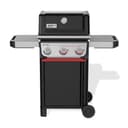
Weber Spirit E-325 3-Burner Gas Grill
31,000 BTU across 360 sq in of primary grate, on porcelain-enamelled cast iron, with a 10-year cookbox and burner term. The 3-burner most buyers should get.
Price as of October 14, 2026. #ad How we’re funded
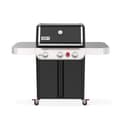
Weber Genesis E-325 3-Burner Gas Grill
39,000 BTU across 513 sq in — a lower ratio and a better grill, which is the whole point of this page. 12-year cookbox warranty.
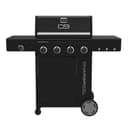
Char-Broil Performance Series 4-Burner Gas Grill
435 sq in of primary grate and a side burner for the least money here. Char-Broil does not publish a main burner figure, so the ratio cannot be calculated — we say so rather than guess.
Quick answers by situation
| If you cook | Primary area to target | Main burner BTU that suits it |
|---|---|---|
| For one or two, or on a balcony | ~300–350 sq in | ~22,000–30,000 |
| For a family of four | ~350–450 sq in | ~30,000–40,000 |
| For six or more regularly | ~500–650 sq in | ~40,000–50,000 |
| For a crowd, or you entertain | 650+ sq in | ~48,000 and up |
Those bands are the 75–100 BTU-per-square-inch rule applied to each size, not independent recommendations — which is why they scale together. If a grill you are looking at sits inside its row, its heat output is a solved problem and you should spend the rest of your attention on grates, build and warranty.
Where to go next
If you now want to see this reasoning applied to actual picks, the three roundups are organized by budget: best budget gas grills, best gas grills under $1,000 and best high-end gas grills. The full checklist of what matters before you buy — beyond heat — is in the gas grill buying guide, and the premium head-to-head where grate thickness and infrared burners decide it is Napoleon vs Weber.
The same burner rating answers a second question, and this one has an exact arithmetic answer: a full 20 lb propane tank holds roughly 430,000 BTU, so dividing that by the figures above gives each grill's run time. We have done it for every cooker here in how long a propane tank lasts.
Frequently asked questions
How many BTUs should a gas grill have?
Work it out per square inch rather than looking for a headline number. Divide the published main burner BTU by the primary cooking area: across the grills we track, the well-regarded ones land between roughly 74 and 96 BTU per square inch. Anything in the 75-100 band has plenty of heat. A Weber Spirit E-325 is about 86 (31,000 BTU over 360 sq in) and a Genesis E-325 about 76 (39,000 over 513) — and the Genesis is the better grill, which tells you the ratio is a sanity check, not a score.
Is more BTU better on a gas grill?
No, and often the opposite. BTU measures how much fuel the burners consume per hour, not how well the grill cooks. A high rating on a thin-walled grill with a loose lid is the amount of gas it must burn to stay hot despite leaking heat everywhere. That is why BTU is the spec advertised most loudly by cheap grills and stated most quietly by good ones — in our own table, the two highest BTU-per-square-inch figures belong to the two cheapest grills on the list.
What is a good BTU per square inch for a grill?
Roughly 75 to 100, calculated from main burner output divided by primary cooking area. Inside that band, heat output is a solved problem and you should spend your attention on grate material and thickness, cookbox warranty and primary area instead. Be suspicious of figures far above 100: they usually mean the maker quoted a total that bundles in a side burner, or that the grill needs the extra output to overcome thin steel.
What is the difference between total BTU and main burner BTU?
Main burner BTU is the output of the burners under the cooking grate. Total BTU bundles in side burners, sear burners and rotisserie burners. They are different measurements and comparing one against the other is invalid — which is exactly what a listing invites when it advertises a single large number. Weber and Napoleon publish main burner output separately; Nexgrill and Monument publish a total. Only compare like with like.
Does primary or total cooking area matter more?
Primary, clearly. Primary area is the grate directly over the burners — the surface you can cook on at temperature. Total area adds warming racks and secondary shelves, which are good for holding food and useless for searing it. A listing that leads with a big total figure and buries the primary one is telling you something. Compare primary against primary across any two grills.
How many burners does a gas grill need?
Three is the sensible default, and burner count is about zones rather than heat. Three burners let you run a hot side and a cool side, which is what most grilling techniques actually require — searing then moving food off direct heat. A fourth burner buys width rather than capability. Decide burner count after grate material, primary area and warranty, not before.
Keep reading
Napoleon Prestige 500 RSIB Review
A worked example of the total-versus-main-burner trap: 82,000 BTU total, 48,000 main, and why only one of those is comparable.
Read the review →Gas Grill Buying Guide
Burners, BTU, grate material and build — the full checklist for what actually matters before you buy.
Read the guide →Napoleon vs Weber
Two four-burner premium grills with identical 48,000 BTU main burners — and everything that actually separates them.
Compare them →Best Budget Gas Grills
The most cooking surface and the most features per dollar, with a live price on every pick.
See the picks →