How to Clean a Blackstone Griddle
A griddle top is bare carbon steel, which means cleaning it and protecting it are the same job — and most of the ways people clean a kitchen pan will wreck it. Here is the two-minute routine after every cook, the fix for a top that has already gone orange, and the three things never to do.
Quick answer
Clean it hot, immediately after you finish cooking. Scrape the debris off with a steel turner while the plate is still at cooking heat, squirt on a little water so it steams and lifts the stuck-on residue, scrape that into the grease tray, wipe the plate dry with paper towel, then rub on a thin coat of cooking oil while it is still warm. Two minutes, start to finish. Never use soap, never let it sit wet, and never attack it with a wire brush— all three strip the seasoning you have spent cooks building, and bare steel rusts within hours.
Why a griddle is cleaned differently from everything else
A Blackstone cooking surface is cold-rolled carbon steel with no coating— no porcelain, no enamel, no stainless layer. What makes it non-stick is seasoning: a hard, dark film of oil that has been heated past its smoke point until it polymerized and bonded to the metal. That film is a cooking surface you built, and it is the thing standing between the steel and the air.
Everything that makes a griddle unusual to clean follows from that one fact. Detergent is designed to dissolve oil, which is precisely what you do not want here. Soaking is how rust starts. Abrasives take the film off down to gray metal. A kitchen pan can survive all three; a griddle top cannot. If you have just built your seasoning with the seasoning process, cleaning it badly once undoes the lot.
The after-every-cook routine
Five steps, two minutes, and the order matters more than the technique. It is the numbered sequence above, and the timing is the part people get wrong: do it immediately, while the griddle is still hot. Hot steel releases residue. Cold steel holds it, and then you need force to shift it, which is how seasoning gets damaged.
A note on the water step, because it alarms people: a few ounces of water on a hot plate is standard flat-top practice and does the lifting for you. You are not quenching the steel from searing heat — do that repeatedly and you risk warping a thin plate — you are steaming at normal cooking temperature. If the griddle has been running at full output, kill the burners and give it a minute before the water goes on.
A note on the oil step, because it is the one most often skipped: finish with barely any oil. The plate should look faintly glossy, not wet. A thick coat does not protect better; it goes sticky and gummy as it part-polymerizes between cooks, and sticky is the texture people mistake for a ruined griddle.
The three things never to do
1. Soap. Dish detergent emulsifies and removes oil, which is its whole job and exactly the wrong outcome here. One wash with soap will visibly dull a seasoned plate, and if you get down to gray metal you are back to seasoning from scratch. The only time soap is correct is during a deliberate full strip-and-reseason of a badly rusted top.
2. Leaving it wet, or covering it hot.Bare carbon steel starts oxidizing in hours, not days. Water left on the plate after cleaning, a griddle left out in rain with no cover, and a hot griddle covered immediately so the trapped steam condenses on the plate — all three produce the same orange film.
3. A wire brush, steel wool or a grill stone on a seasoned top.A griddle is not a grill grate. Those tools are for removing carbon from cast-iron bars, and on a flat plate they take the seasoning with it — and wire bristles carry their own hazard, which is why our grill-cleaning guide will not recommend one for grates either. A steel turner and water do this job.
What to use, and what each item is actually for
The whole routine needs a scraper, something absorbent and some oil. The only reason to buy anything beyond that is rust, which needs an abrasive compound, and weather, which needs a cover. Those are the three picks below, and none of them is a cleaning kit with a brand on it.
How this is funded: we earn a commission if you buy through our links, at no extra cost to you. It never changes which product we recommend, and we’ll tell you when we’d skip one, or point you to a cheaper option when it’s the better buy. Full disclosure.
A scraper, a rust fix, and the cover that prevents both
Live prices, fetched and date-stamped. In the order you will need them: the tool that does the cleaning every cook, the compound for a top that has already rusted, and the cover that stops you needing the second one again.
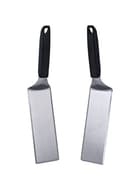
Blackstone Extra Long Griddle Spatula Set (5550, 2-piece)
Two long stainless turners — the straight-edged one is the scraper for every cook, and it is stiff enough to push carbonized residue without flexing. The short, flexible turners that ship with most griddles are the reason people reach for a brush instead.
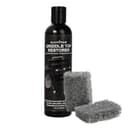
Blackstone Griddle Top Restoration Kit (4172, 8 fl oz)
Eight ounces of restorer plus applicator pads, for the orange, patchy or gummy top this page's routine is meant to prevent. This is the one time an abrasive belongs on a griddle, and you reseason afterwards.
Price as of October 16, 2026. #ad How we’re funded
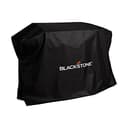
Blackstone 36-inch Griddle Cover (5482)
Fits a 36-inch Blackstone with a hood or hard cover, with side buckles to stop it lifting. Water is the only thing that actually ruins a griddle top, so a cover does more for a flat-top than any cleaning product. Check your griddle's width before ordering.
How to clean a rusted Blackstone griddle
Rust looks terminal and almost never is. Carbon steel rusts on the surface, and surface rust comes off. This is a deliberate strip-and-restart rather than a clean, so budget an hour and plan to reseason afterwards.
Heat the plate first. Run the burners on medium for ten minutes. Warm metal gives up rust and old gummy seasoning far more easily than cold metal.
Work the rust off with an abrasive and oil.Apply a restoration compound with the pads, or use a griddle stone or coarse pad with a little cooking oil as lubricant, and scrub in straight passes along the length of the plate. Oil matters here — dry scrubbing creates dust and heat and gets you nowhere. Keep going until the orange is gone and the surface is uniform gray-brown metal.
Wipe it completely clean, then reseason immediately. Get every trace of abrasive residue and loose rust off with paper towel, then go straight into the seasoning process: thin coat of oil, burners to high until it smokes and stops, cool slightly, repeat three to five times. Do not leave a stripped plate bare even overnight — it will be orange again by morning.
If the rust has pitted the steel— actual craters you can feel with a fingernail rather than a surface film — it will clean up and cook, but the pits stay. Deeply pitted tops are a replaceable part on most griddles, which is cheaper than a new griddle.
Two problems people mistake for a dirty griddle
A sticky, tacky surface is not dirt and more cleaning will not fix it. It is too much oil left on the plate, part-polymerized into a gummy layer. Scrape it off hot, wipe the plate nearly dry, and from then on apply less oil than feels right. If it is widespread, heat the griddle to high and hold it until the tackiness burns off and the surface goes hard and dark.
A patchy, two-tone plate— dark in the middle, lighter at the edges — is normal and not a cleaning failure. The center sits directly over the burners and polymerizes faster; the perimeter catches up over many cooks. Cook more food out toward the edges rather than scrubbing them.
Where to go next
Cleaning and seasoning are two halves of the same skill, so how to season a griddleis the companion to this page. If you are still choosing a griddle, the hood and cover question has a real bearing on how often you end up doing the rust job — the 17 vs 22 comparison and 28 vs 36 both cover it. And once the plate is clean and black, what to cook on a griddle is the reason you bought it.
Frequently asked questions
How do you clean a Blackstone griddle after cooking?
While it is still hot. Scrape the debris toward the grease hole with a steel turner, squirt a few ounces of water onto the plate so it steams and lifts the stuck-on residue, scrape that into the tray, wipe the plate dry with paper towel, then rub on a thin coat of cooking oil while it is still warm. Let it cool before covering it. The whole routine takes about two minutes and the timing matters more than the technique — hot steel releases residue that cold steel holds.
Can you use soap on a Blackstone griddle?
No, not as part of normal cleaning. Dish detergent is designed to dissolve and remove oil, and the seasoning that makes a griddle non-stick is a polymerized oil film — one wash will visibly dull it and a thorough one takes you back to bare gray metal. The only time soap is appropriate is during a deliberate full strip of a badly rusted or contaminated top, which you then reseason from scratch.
How do you get rust off a Blackstone griddle?
Heat the plate on medium for about ten minutes first, because warm metal releases rust far more easily. Then work a restoration compound or a griddle stone over it with a little cooking oil as lubricant, scrubbing in straight passes until the orange is gone and the surface is uniform gray-brown. Wipe off every trace of residue and reseason immediately — a stripped plate left bare overnight will be orange again by morning.
Why is my Blackstone griddle sticky?
Too much oil, not too little cleaning. A thick coat of oil left on the plate part-polymerizes between cooks into a gummy, tacky layer, and more scrubbing will not fix it. Scrape it off while the griddle is hot, wipe the plate nearly dry, and from then on use less oil than feels right — the surface should look faintly glossy, never wet. If the tackiness is widespread, run the burners high until it burns off and goes hard and dark.
Should you use water on a hot griddle?
Yes, a few ounces, and it is standard flat-top practice. Water hitting a hot plate boils instantly and the steam lifts carbonized residue so you can scrape it away with no force. The thing to avoid is dumping water on a plate running at full searing heat, which repeatedly thermal-shocks thin steel and can warp it — kill the burners and give it a minute first if you have been cooking hot.
Do you oil a Blackstone griddle after every use?
Yes, and it is the step that actually prevents rust. The cooking surface is bare carbon steel with no coating, so a thin film of oil is all that keeps air and moisture off it. Apply a teaspoon or two to the warm plate and spread it edge to edge until it looks barely glossy. Skipping this once in dry weather is usually survivable; skipping it routinely is how tops go orange.
Can you use a wire brush on a griddle?
No. A wire brush and steel wool are tools for scraping carbon off cast-iron grill grates, and on a flat seasoned plate they remove the seasoning along with the residue. Wire bristles also carry a genuine hazard — they work loose and transfer into food, which is why we do not recommend them for grill grates either. A stiff steel griddle turner plus water does this job better and takes nothing off the plate.
How often should you deep clean a griddle?
Only when something is wrong, which for most owners is never. If you do the hot scrape, steam, dry and oil routine after every cook, there is nothing left to deep clean — residue never accumulates. A full strip and reseason is a repair rather than maintenance, and it is for three situations: visible rust, a widespread sticky layer, or a top that has sat unused and unoiled for a season.
Keep reading
How to Season a Griddle
The other half of this skill — turning bare steel into a slick black surface, and the film this page is protecting.
Read the guide →Best Griddle Accessories
Two turners, a dome, a press and a rust kit — the flat-top gear that earns its place, in buying order.
See the picks →Blackstone 17 vs 22 Griddle
Two burners or one, 361 sq in or 267 — and why the hood changes how often you deal with weather.
Compare them →What to Cook on a Griddle
Breakfast, smash burgers, fried rice, fajitas — the reason the plate is worth looking after.
Read the guide →